That Perfect Glass of Wine? It Might Be Powered By AI.
2026-04-13
The Toughest Decision in a Bottle
There’s a story in every glass of wine. A story of sun, soil, and a whole lot of patience. At the heart of that story is a single, agonizing decision that can make or break an entire year’s work: knowing the exact right moment to harvest the grapes. For generations, this has been an art form, a delicate dance of intuition, science, and luck. A winemaker walks the rows, tastes the fruit, and makes a gut call. It’s romantic. It’s also incredibly stressful.
Pick a day too early, and the wine might lack depth. A day too late, and the delicate balance is lost forever. This one choice defines the character of the vintage. But what if you could give that intuition a superpower? What if technology could help see what the human eye can’t?
A New Tool for an Ancient Craft
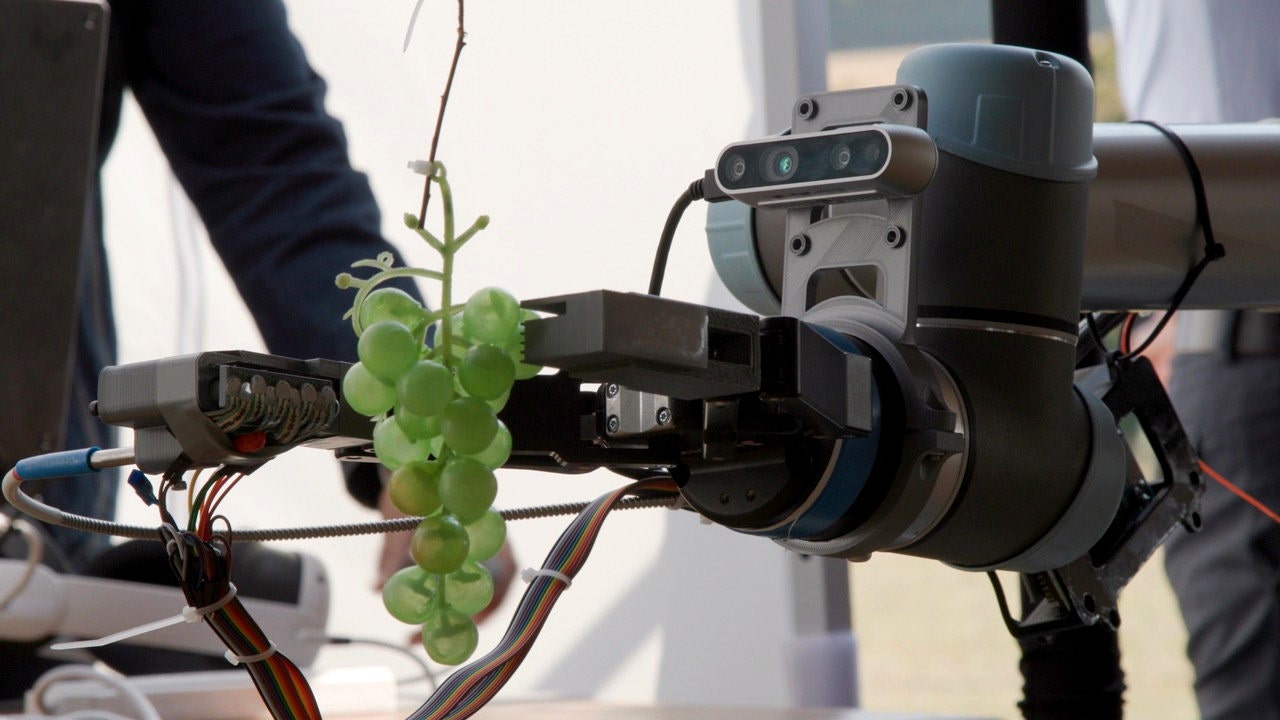
This is where the story takes a turn. Scientists have developed something called RipenAI, an artificial intelligence designed to be the ultimate partner for a winemaker. Forget robots stomping grapes. This is far more subtle and powerful. Using advanced optical sensors, RipenAI can look at grapes right on the vine and give a precise estimate of their ripeness. It’s a total game-changer.
Instead of relying only on samples and instinct, vintners can now get real-time data from their entire vineyard. This technology helps them pinpoint that perfect peak of flavor, ensuring that when the harvest begins, it’s at the absolute best moment. It’s not about taking the human out of the equation. It’s about giving them better information to make the most important decision of their year.
More Than Just Grapes
The impact of AI in the vineyard goes way beyond just knowing when to pick. The entire process of growing grapes is becoming smarter, more efficient, and much more sustainable. New agricultural tech is helping farmers run their operations with incredible precision. Think of systems that can automatically monitor water usage across acres of land, spotting leaks the moment they happen. Or AI that can tell a grower exactly which vines need water, cutting back on waste and preserving a precious resource.
This efficiency is a huge win for the environment and for the business itself. It allows vineyards to use fewer resources while getting better results. Even the business side of wine is getting an AI assist. Some wineries are using AI to get a first draft of sales materials or tasting notes, freeing up their team to focus on the more creative parts of the job.
But What About the Soul?
This all sounds great, but it brings up a huge question. Does technology take the heart out of winemaking? If a process is optimized by an algorithm, does it lose its soul? It’s a valid concern. After all, we fall in love with wine because of its story, its connection to a place, and the passion of the people who made it.
But the experts believe this is a perfect pairing, not a mismatch. The human connection remains irreplaceable. AI is a tool, not the artist. It can handle the complex calculations and optimize processes, but it can’t tell a story. It can’t share the history of the land or connect with a customer over a shared love for a particular vintage. The technology is there to support the craft, not replace it.
By using AI where it adds the most value—in efficiency, sustainability, and data analysis—winemakers are freed up to focus even more on the artistry. The future isn't about choosing between tradition and technology. It's about blending them. The next truly great bottle of wine you drink might just have been made with a little help from an algorithm, but its soul will still come from the heart of a winemaker.