Your Eyeballs Are Tinder's Newest Weapon Against AI Catfish
2026-04-19
That Awkward Moment You Realize You're Talking to a Robot
We’ve all been there. You get a match. The profile looks a little too perfect. The conversation feels… off. The replies are a bit too quick, a little too generic. You start to wonder, am I talking to a real person, or did I just get duped by a clever bot?
This isn't just a dating app problem anymore. It's happening everywhere. In your work meetings, in your online communities. The line between human and machine is getting blurrier by the day, thanks to the explosion of artificial intelligence. It's getting harder and harder to trust that the person on the other side of the screen is actually a person. That nagging doubt can turn online interactions from exciting to exhausting.
Your Eyeballs Are the New Password
What if there was a way to prove you’re human? A digital passport that couldn't be faked. Well, that future is arriving now, and it’s looking right into your eyes.
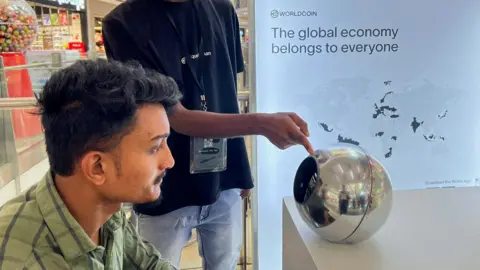
Tinder and Zoom are stepping up to tackle this problem head-on. They're partnering with a controversial but fascinating project called Worldcoin, co-founded by Sam Altman. The idea is simple but powerful: use advanced technology to scan your iris. Yes, your eyeball. That unique, intricate pattern in your eye becomes your digital proof of humanity. It creates something called a World ID, a secure, non-transferrable digital identity that says, "Yep, this one's real."
Think of it as the ultimate verification badge. It’s not about who you are, but that you are. A real, living, breathing human being, not a string of code designed to scam you or waste your time.
Fighting Fakes, One Iris at a Time
For Tinder users, this could be a game-changer. The platform plans to let users verify themselves with this eye-scanning tech. Imagine swiping with confidence, knowing that every verified profile you see belongs to an actual person. No more bots. No more malicious scams hiding behind a stolen photo. It’s about bringing a layer of trust back to the search for connection.
And it's not just for dating. Zoom is also getting on board. In a world of remote work and virtual meetings, ensuring the person who shows up is the person you invited is a real security concern. This "proof of humanity" aims to stop fake accounts and unauthorized access before they can even start.
A New Layer for the Internet
This isn't just a feature for a couple of apps. The ambition behind World ID is to create a new default layer for the entire internet. A universal way to prove you're not a robot, without giving away tons of personal information. As AI gets more advanced, being able to distinguish between human and machine-generated content is going to become essential.
Of course, scanning your eyeballs for a digital ID sounds like something straight out of a sci-fi movie, and it’s not without its critics. But the problem it's trying to solve is very real. The internet is flooded with fakes, and we need new tools to manage it.
So, the next time you're setting up a profile or joining a meeting, you might be asked for an eye scan. It might feel strange at first, but it could be the very thing that makes our digital world feel a little more human again.