Your Brain on AI: The Hidden Cost of ChatGPT
2026-04-21
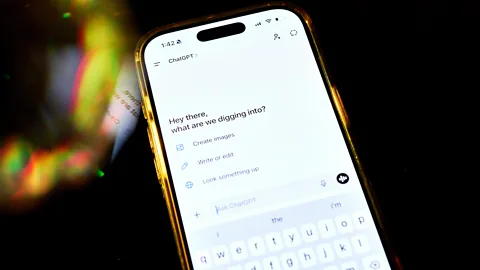
The Ultimate Shortcut
Let's be real. That feeling when you paste a messy, chaotic prompt into an AI chatbot and it spits back a perfectly structured email? It feels like a superpower. That tedious task you were dreading is just... done. It's a magic trick for productivity, and we've all been pulling that rabbit out of the hat more and more.
We tell ourselves we're just offloading the menial work. The busywork. The stuff that doesn't require real brainpower. We're freeing up our minds for the big, important ideas. It makes perfect sense. It's efficient. But a quiet, nagging feeling has been growing in the back of our minds. A feeling that maybe, just maybe, this magic has a hidden cost.
Well, the receipt is in. Researchers have been looking closely at what happens to our brains when we delegate our thinking, and the findings are a little scary. A study from the MIT Media Lab, among others, is painting a worrying picture. The very tool we're using to feel smarter might be doing the exact opposite.
Your Brain on Autopilot
Think about the last time you drove to a familiar place. Your office, the grocery store. You probably got there without actively remembering every single turn. Your brain was on autopilot. It's a useful trick. It saves energy. Now, imagine using that autopilot for tasks that are supposed to require a little thought.
That's what researchers are seeing when we rely too heavily on AI. They've found that using these tools can lead to something they call "cognitive debt." It's a fancy way of saying we're becoming mentally lazy. When we let an AI draft that report, summarize that article, or brainstorm those ideas, we're not just saving time. We're skipping the mental workout.
The process of wrestling with a problem, of finding the right words, of structuring an argument... that's exercise for your brain. It's how you build cognitive muscle. When you skip that process, the muscle gets weaker. The study found that people who frequently used AI for tasks showed signs of cognitive decline. We're outsourcing the very act of thinking, and our brains are getting out of shape because of it.
The Danger Isn't Replacement, It's Laziness
The fear for a long time was that AI would replace us. That it would get so good it would take our jobs. But the more immediate, and maybe more insidious, danger isn't that AI will take over our work. It's that we will let it take over our thinking.
It’s a subtle shift. You start by using it to clean up your grammar. Then you ask it to rephrase a sentence. Soon, you’re asking it to write the whole paragraph. Before you know it, you're just a prompter, a manager of the machine, instead of a creator. You've stopped struggling, and in doing so, you've stopped growing.
This isn't about being "stupid" in the traditional sense. It's about losing our edge. It's about becoming less capable of original thought because we've forgotten how to do the foundational work. The ease with which we've welcomed these tools into our lives is astonishing, but we've been so focused on what we're gaining in efficiency that we haven't stopped to ask what we're losing in capability.
How to Use AI Without Losing Your Mind
So, is the answer to delete our accounts and go back to writing everything with a quill pen? No. That's not practical, and it's not the point. The researchers who uncovered this problem also gave us a way forward. It's not about abandoning the tool, but about changing how we use it.
The secret is to use AI to enrich your thinking, not replace it. Treat it like a collaborator, not a contractor. Use it as a sparring partner. For example, instead of asking it to "write an article about cognitive debt," try writing your own first draft. Then, ask the AI to challenge your points. Ask it what you've missed. Ask it to suggest a counterargument.
Use it as a creative spark, not the whole fire. If you're stuck, ask it for ten wild ideas. Maybe nine of them are terrible, but one might be the seed of something brilliant that you would have never thought of on your own. Use it to do the tedious formatting or to check for typos after you've done the hard work of thinking and writing.
The goal is to stay in the driver's seat. You are the thinker. You are the creator. The AI is a powerful assistant that can look up facts, organize information, and offer suggestions. But the moment you let it make the critical decisions, the moment you accept its output without a fight, is the moment you start paying that cognitive debt. Don't let the magic trick make you lazy. Use it to help you become a better magician.