The Oscars Just Drew a Line in the Sand, and It's For All of Us
2026-05-03
This is a Story About a Heartbeat
Think about the last movie that truly moved you. A performance that made you forget you were watching an actor. A line of dialogue that felt like it was pulled directly from your own life. You felt something, right? A connection. That’s the whole point. It’s the magic trick of cinema, a current of shared humanity passed from a creator to you, sitting in the dark.
For a while now, a new question has been floating in the air, a kind of technological ghost in the machine. What if that performance wasn't from a person? What if that script wasn't born from late nights, bad coffee, and a lifetime of messy experiences? What if it was just… code?
It's a scary thought. And it seems the people who hand out the golden statues agree.
Hollywood Just Drew a Line in the Sand
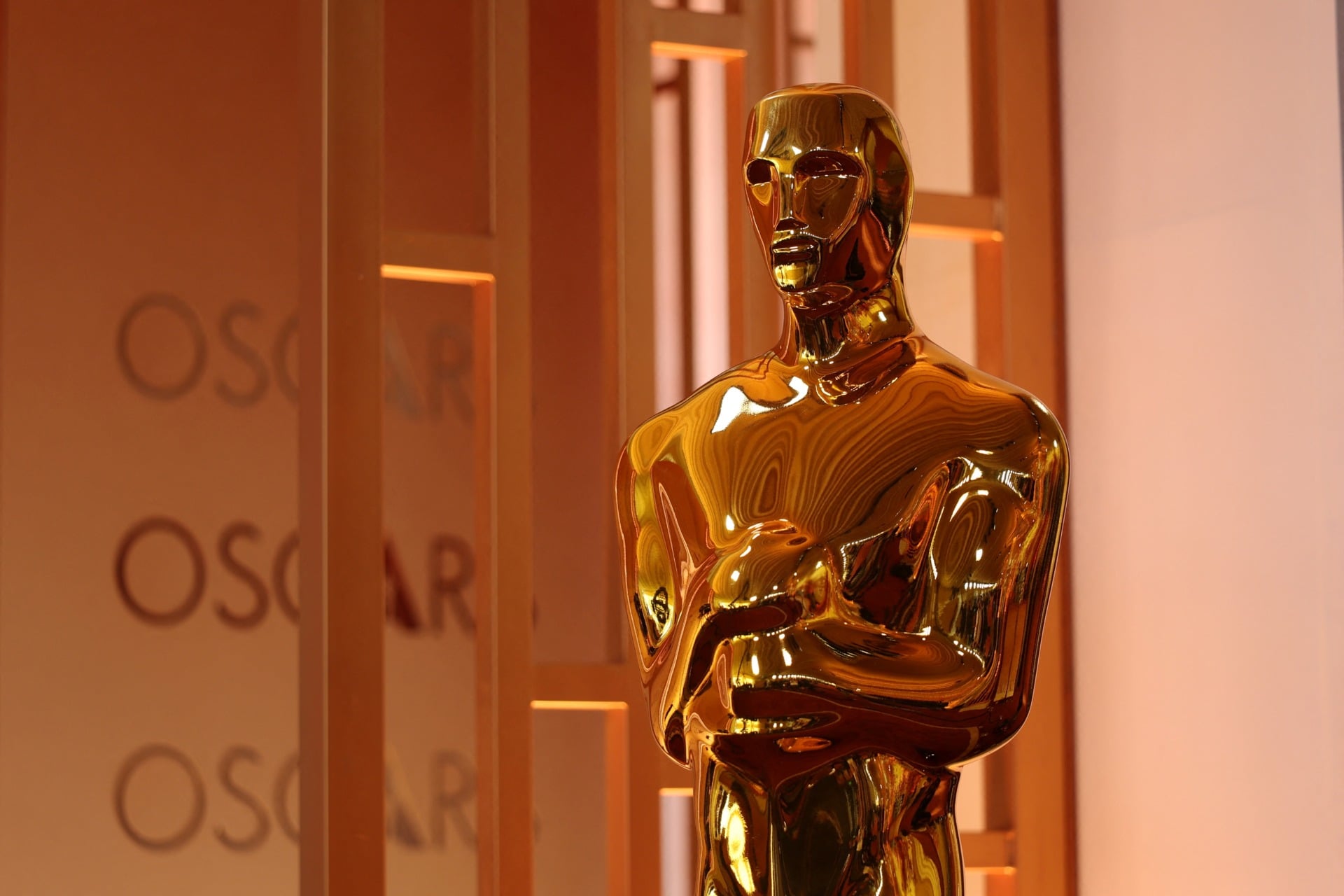
The Academy of Motion Picture Arts and Sciences just quietly updated their rulebook. And in doing so, they made one of the loudest statements in recent memory. From now on, artificial intelligence cannot win an Oscar for acting or for writing. It’s that simple. It’s that huge.
This isn't just some dusty procedural change. This is a declaration of values. In an era where everything is being automated and optimized, the Academy just put a velvet rope around the very soul of filmmaking. They looked at the heart of the art form and said, "This part is for us. This part stays human."
The Actor's Ghost
Let's talk about acting. The new rules are specific. Any role up for an award must be "demonstrably performed by humans with their consent." That phrase is doing a lot of work. It’s not just about who is on screen. It’s about the spark behind the eyes.
An AI can mimic emotion. It can study a billion hours of footage and replicate what sadness or joy is supposed to look like. But it can't *feel* it. It hasn't lived. It hasn't had its heart broken or felt the pure, stupid bliss of a first kiss. An actor brings the sum of their experiences—the triumphs, the failures, the quiet moments—to a role. That's the ghost in the machine. That’s the humanity we connect with. The Academy is saying that this connection, this transfer of real, lived-in feeling, is the thing worth celebrating.
The Writer's Truth
The same goes for the writers. The rules now demand "human-authored screenplays." It’s a crucial distinction. A machine can assemble a plot. It can create characters and structure scenes based on every successful movie ever made. It can probably even write a decent car chase.
But can it tell a truth? Can it write a story that reveals something fundamental about what it means to be alive? Stories that matter come from somewhere real. They come from observation, from pain, from memory, from the weird and wonderful chaos of a human life. A writer pours their own heart onto the page, hoping it will resonate with yours. The Oscar for screenwriting isn't for the most perfectly structured story. It's for the one that has something to say. It’s a reward for courage, for vulnerability, and for the craft of turning life into art.
A Sigh of Relief
This decision isn't about fighting the future. Technology will continue to evolve, and it will undoubtedly change how movies are made. But this is about protecting the "why." Why we tell stories in the first place. We do it to understand ourselves and each other better.
The Academy’s new rules are a powerful reminder that art isn't just a product. It’s a process. It's a conversation. And for now, the most important awards in that conversation are being reserved for the people. For the heartbeats. It feels like a collective sigh of relief for anyone who still believes in the messy, imperfect, and completely irreplaceable magic of a human story.