That Screenshot From Your Bank Is a Lie
2026-05-04
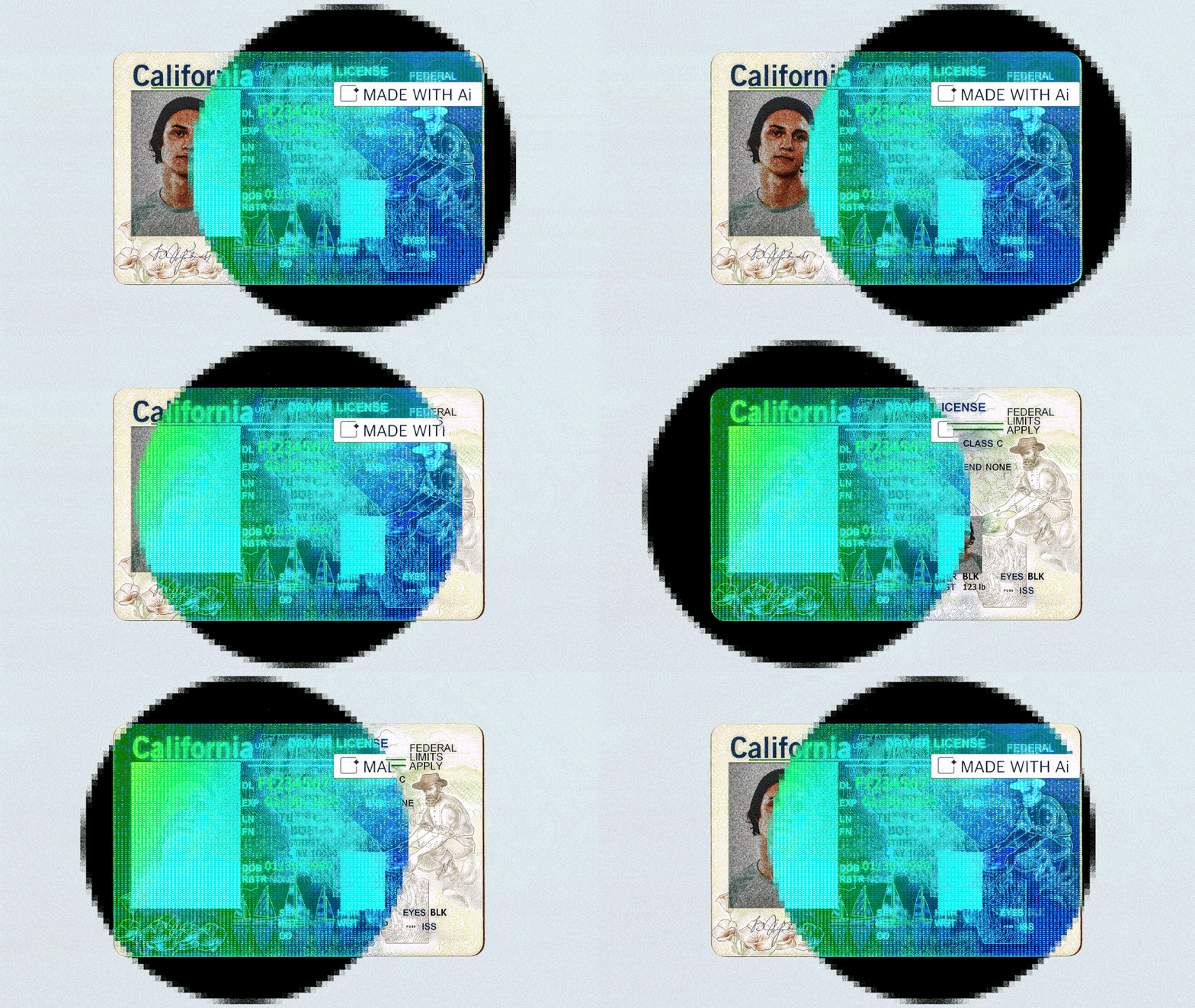
The Screenshot Is a Lie
We all know that feeling. That little ping of relief when you see the screenshot. The wire transfer confirmation from Chase. The payment alert from Wells Fargo. It’s digital proof. It’s solid. You see it, you trust it, you move on.
But what if you couldn’t trust it anymore? What if that perfect, official-looking screenshot was a complete fabrication, created in seconds by an AI that knows exactly what to show you? This isn't a "what if" scenario from a sci-fi movie. It's happening right now. Tools from companies like OpenAI have become frighteningly good at creating these fakes. And they’re not just coming for your social media feed. They’re coming for your bank account.
A New Kind of Heist
Forget masked robbers and getaway cars. The new bank heist is quiet, digital, and deeply personal. In 2025 alone, deepfake-related bank fraud surged by a staggering 162%. This isn’t a slow creep. It’s an explosion.
Scammers are using artificial intelligence to create terrifyingly convincing frauds. Imagine your phone rings. The voice on the other end is your boss, your partner, or your parent. They sound frantic. They need money wired immediately for an emergency. Their voice is perfect—the same pitch, the same cadence, the same little pauses you know so well. But it’s not them. It’s an AI voice clone, designed to hijack your trust and exploit your love for the people you care about.
This technology is getting scary good. Fraudsters use it to impersonate trusted individuals with an accuracy that can fool almost anyone. They aren’t just targeting you at home, either. They’re going straight for the financial institutions themselves.
The System Is Under Attack
The very systems banks use to protect us are being turned against them. For years, we’ve been told to rely on things like photo ID verification or voice recognition to secure our accounts. But what happens when AI can generate a fake driver’s license that looks flawless? Or mimic a customer's voice so perfectly it sails through an audio verification check?
Financial institutions are scrambling to keep up. Companies that rely on photos or audio to verify who you are realize that bad actors are already gaming the system. It’s a full-blown arms race. Even the government is sounding the alarm. The Financial Crimes Enforcement Network, or FinCEN, issued a stark alert—FIN-2024-Alert004, to be exact. They warned that deepfake identity documents are already being used to open new accounts and conduct fraudulent transactions. Regulators have now flagged deepfake detection as a top priority for the entire financial services industry. It’s a clear signal. The threat is real, and it’s escalating.
Your Gut Is Your Best Defense
So, where does that leave us? It can feel hopeless, like we’re up against a ghost in the machine. But we’re not powerless. While the technology is always improving, there are still red flags. There are still ways to fight back.
It starts with a healthy dose of skepticism. That email from your bank with an attachment that looks a little off? Pause. That urgent text with a link to "verify your account"? Stop. That frantic call asking for a wire transfer? Hang up.
The key is to never, ever rely on the channel the message came from. If you get a suspicious email, don't click the link. Go directly to your bank's website and log in yourself. If you get a panicked phone call, hang up and call the person back on the number you have saved for them. This simple act of creating a separate, trusted line of communication can shut a scam down instantly.
Deepfakes often have tiny imperfections, but they're getting harder to spot. Instead of trying to be a technology expert, be an expert in your own life. Does the request feel strange? Is the situation oddly urgent? Trust that feeling in your gut. It’s your most reliable fraud detector.
The world is changing fast. The lines between what's real and what's fake are blurring in ways we never imagined. But protecting yourself doesn't require complex software. It requires a simple, human response. A moment of doubt. A quick question. A decision to verify. In this new world, a little bit of caution isn't paranoia. It’s the smartest investment you can make.