The Real Reason You Can't Buy a Mac Mini Anymore
2026-05-12
The Weirdest Gold Rush
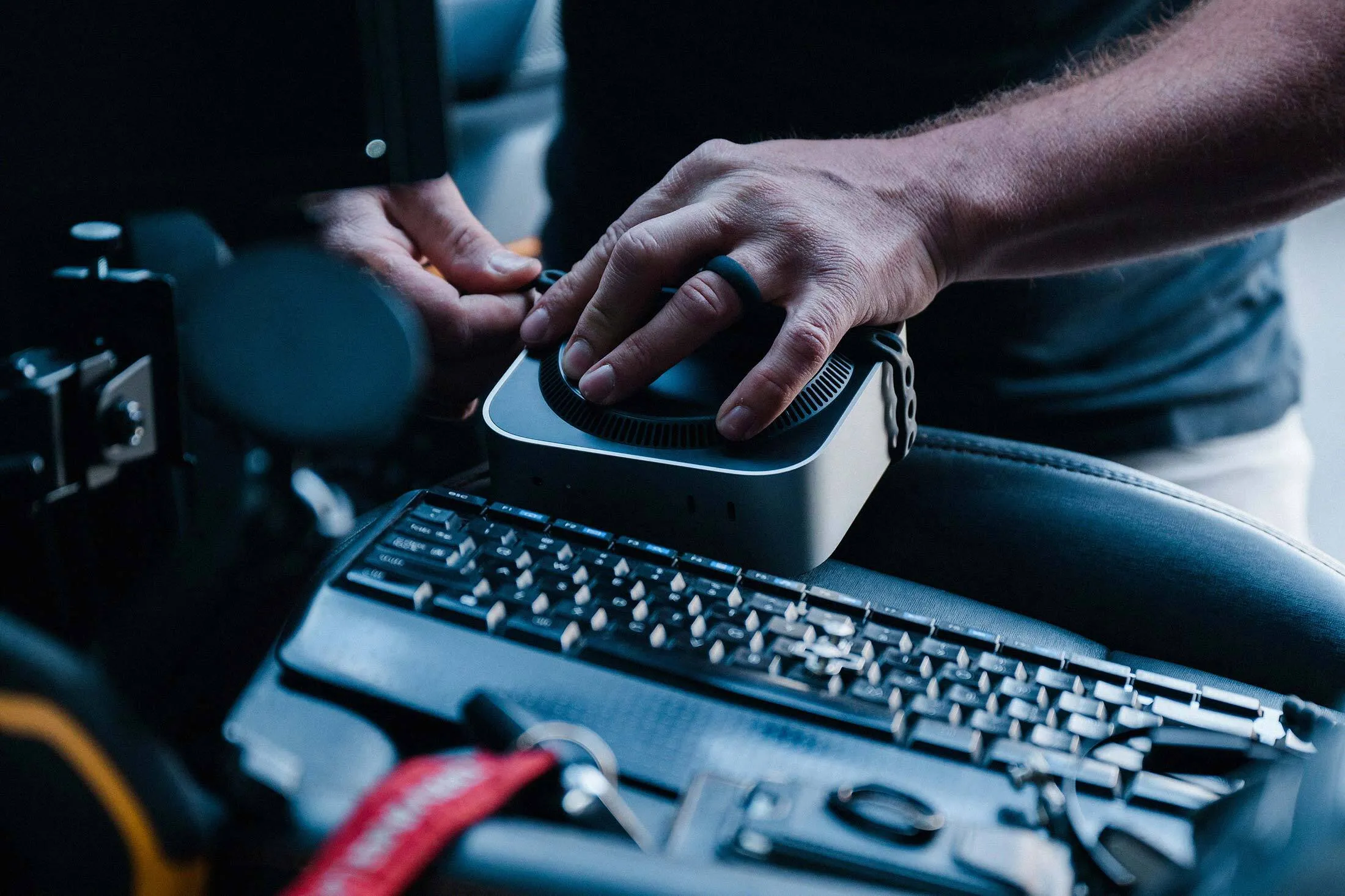
Picture this. You’re driving down the highway and glance over at the Ford Bronco next to you. In the passenger seat, you don’t see a person or a dog. You see a Mac mini, Apple’s little desktop computer, hooked up to a portable battery and a satellite dish. It sounds like a scene from a sci-fi movie, but it’s real. This is the strange new reality created by an explosion in artificial intelligence.
For weeks, something weird has been happening in the tech world. Apple’s humble Mac mini, the $600 desktop computer that often goes overlooked, suddenly became impossible to find. They vanished from shelves and online stores. On secondhand markets, prices skyrocketed, with resellers flipping them for hundreds of dollars above retail. It wasn't a supply chain hiccup. It was a full-blown buying frenzy.
People were hoarding them. Not one or two, but entire stacks of them. So, what was going on? The answer wasn’t about gaming or video editing. It was about giving AI a body, or at least a dedicated place to work.
Meet Your New Digital Employee
This whole craze boils down to a project called OpenClaw. Think of it like this: you’ve probably used an AI like ChatGPT or Claude. You ask it questions, and it gives you answers. It’s a brain in a jar. OpenClaw is different. It’s like giving that brain a pair of hands. It can work on a computer just like a person does. It can click, type, open apps, and manage files. It’s an AI agent.
People quickly realized the power of this. You could set up these Claude-powered agents to work for you while you sleep. They could sort your emails, manage your projects, research topics, and just... work. To do this effectively, the AI needs its own dedicated computer. A machine that can be left on, chugging away 24/7 without interfering with your own daily tasks.
And what’s the perfect machine for that? A small, quiet, power-efficient, and reliable computer that just gets the job done. The Mac mini. It became the default hardware for this new wave of self-hosted AI workers. It’s the perfect little cubicle for a digital employee.
A Shortage That Signals a Shift
The result was a classic gold rush. As word spread, people started panic-buying Mac minis to create their own multi-agent setups. They weren’t just buying a tool, they were hiring a team. The more agents you could run, the more work you could get done. The demand was so insane that it created a genuine shortage, something Apple likely never saw coming for their entry-level desktop.
This isn't just a funny story about a computer shortage. It’s a glimpse into the future of work and personal computing. The idea of your computer being a passive tool is fading. We're entering an era where our devices become active partners, agents that work for us, learn our habits, and take on tasks autonomously.
The Mac mini frenzy is just the beginning. It’s the first time a mainstream piece of hardware has been snapped up not for what we can do on it, but for what an AI can do on it for us. The days of people buying more Apple stock might be shifting to people buying more Apple hardware to run their own personal AI workforce. The gold rush might be for a little silver box today, but the territory it represents is vast and completely new.