Your Desk Job Has an 18-Month Expiration Date
2026-05-17
The Clock is Ticking
Take a look at your to-do list. The emails you need to answer. The spreadsheet that needs updating. The report you’ve been putting off. That whole world, the daily rhythm of sitting down at a computer and getting things done? It has an expiration date. And it’s sooner than any of us thought.
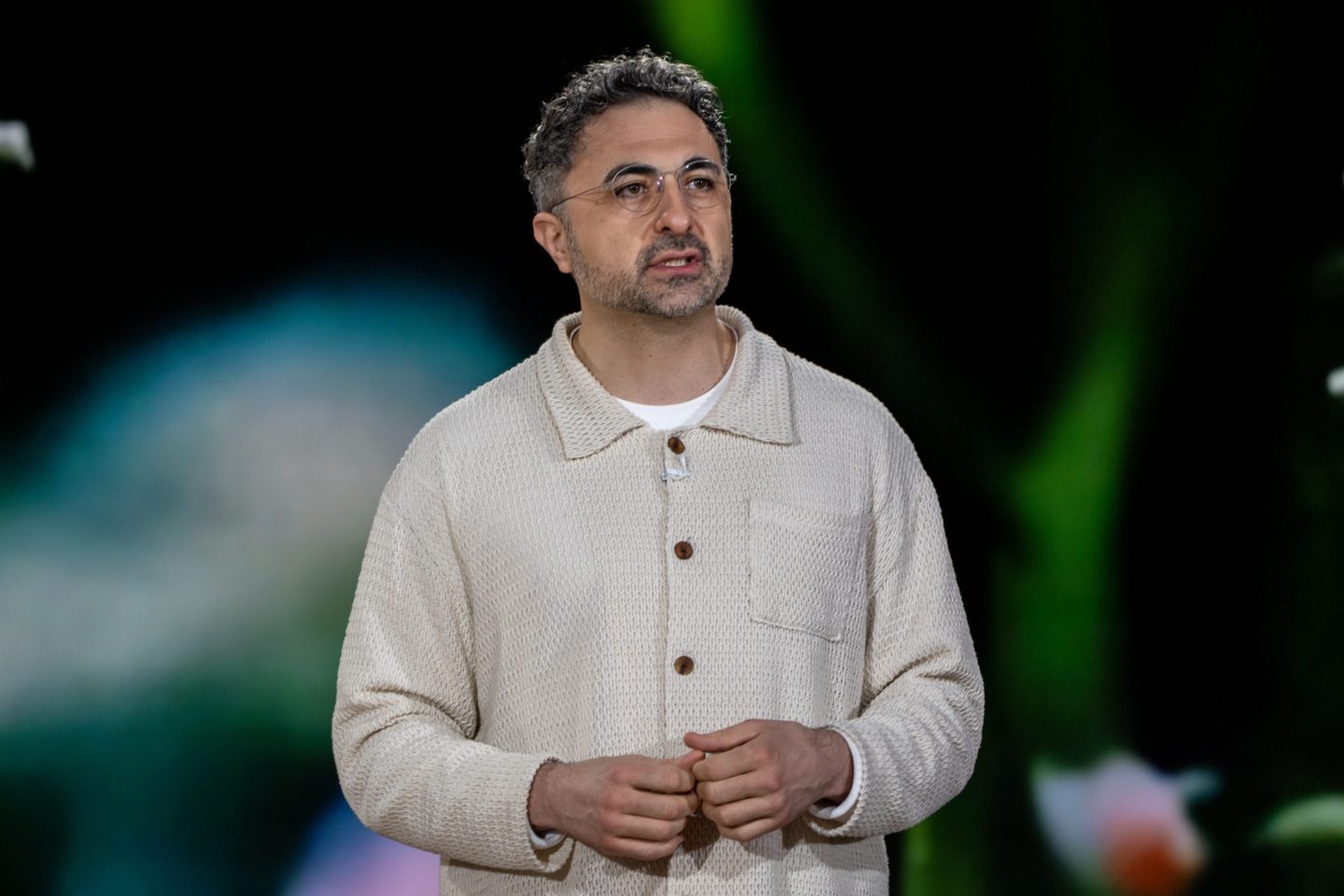
This isn’t some far-off sci-fi prediction anymore. The head of Microsoft AI, Mustafa Suleyman, just put a timeline on it. And it’s a tight one. He said that within the next 12 to 18 months, we’re going to see AI achieve human-level performance on most, if not all, professional tasks. Let that sink in. Not five years. Not a decade. As little as a year from now.
What Does "Human-Level" Even Mean?
It means the kind of work many of us thought was safe. The work that requires thinking, organizing, and processing information. Suleyman specifically called out jobs like accounting. But it’s not just about accountants. It’s about anyone whose job description involves a keyboard and a screen. The tasks that make up the bulk of white-collar work are on the verge of being fully automated.
This isn't about a helpful new software update that makes your job a little easier. This is a fundamental rewiring of the entire concept of knowledge work. The prediction is that AI will be able to perform these tasks completely, without human intervention. It’s a quiet revolution happening in servers and data centers, about to spill out onto every desk in every office.
Think about it. The barrier to entry for complex professional work is about to crumble. What happens when an AI can draft a legal brief, design a marketing plan, or manage financial accounts as well as a seasoned professional? It changes everything. The skills we spent years, and a fortune on tuition, to acquire could become obsolete almost overnight.
More Than Just Lost Jobs
This isn't just a conversation about employment. It's bigger. Suleyman also warned that a real AI safety incident is likely coming within the next two or three years. We're building something incredibly powerful at a breakneck speed, and we don't seem to have a mechanism to slow it down. The race is on, and the consequences are very real.
We are standing at a strange and unsettling crossroads. On one hand, the potential for progress is immense. On the other, the ground is shifting beneath our feet so quickly that it's hard to know where we'll land. The comfortable certainty of a career built on knowledge and expertise is fading.
The conversation is no longer about whether AI will change our work. The conversation is about what we’re going to do when it happens, just a handful of months from now. The clock is officially, loudly ticking.