How to Set Up an Online Business: Key Strategies for 2024
2024-11-14
The internet has opened doors for so many people starting an online business because it is one of the best ways to start and operate a business. Ecommerce has evolved greatly over the past decade, with more and more customers shifting to online shopping needs, clothing, and home appliances, among other essentials. The current outbreak of the COVID-19 virus has ensured that digital shopping and services are even more common.
Thus, the possibility of starting an online store remains very good if we look towards 2024 and further. According to eMarketer, global e-commerce sales will be $5.4 trillion in the year 2022 and $7.1 trillion in the year 2025. The new trends of working from home and the general process of globalization of business processes have also created new opportunities for Internet-based business models.
This guide will give you real-life experience and tell you how to start a small online business.
Step 1: Choose Your Business Model
The business model you choose forms the blueprint for how your company will operate. It determines everything from your revenue streams to processes and resource requirements. Carefully evaluating different ecommerce models is crucial before diving in. Here are some of the most popular online business models to consider:
Dropshipping
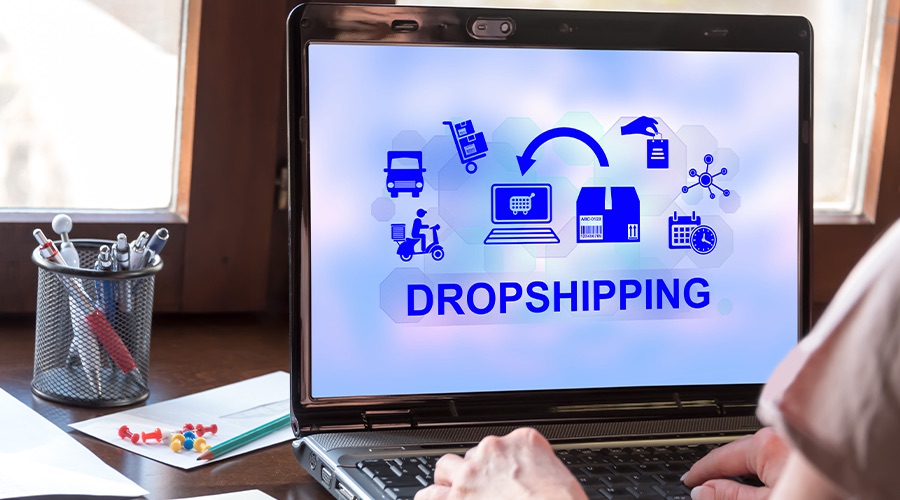
Dropshipping is by far the cost-effective and most efficient method if you are looking for how to make a online business. It has become a go-to model for many new online entrepreneurs, especially those with limited startup capital. With dropshipping, you list products for sale in your online store but don't actually keep them in stock yourself. Instead, you partner with a supplier or manufacturer that stores inventory and ships products directly to customers on your behalf.
This saves you from having to invest in warehousing space and logistics capabilities. You also avoid risks associated with buying inventory in bulk that may or may not sell. Dropshipping businesses are relatively easy and inexpensive to start. However, the downside is you have less control over shipping timelines, product quality, branding, and overall customer experience. As the middleman, your profits are also squeezed compared to selling your own branded goods.
Traditional Ecommerce
The traditional ecommerce model involves purchasing inventory upfront from manufacturers or distributors to resell through your online store. You handle all aspects of fulfillment, shipping and returns in-house once an order is placed. This provides full control over your branding, packaging and overall customer journey. However, you take on more upfront financial risk and capital requirements for warehousing and logistics.
The benefit of the traditional approach is you earn higher margins selling your own stock. This model also builds brand recognition through consistent branding across all touchpoints. However, it can be operationally complex, especially for new businesses.
Learn More: Dropshipping vs. Online Store: Key Differences and Benefits
Subscription Ecommerce
Subscription ecommerce is a model where customers sign up for recurring delivery of products on a weekly, monthly or custom basis. Categories range from meal kits to beauty boxes and pet supplies. The benefit of subscriptions is they provide predictable recurring revenue. This results in higher customer lifetime value and improved cash flow forecasting.
Offering subscriptions also helps you build a loyal community around your brand. However, you need to work extra hard to retain customers and prevent cancellations. Careful coordination is required to prepare customized recurring orders and nail the logistics. Overall, subscriptions offer great potential, but require planning to scale successfully.
Digital Products/ Services
Selling digital products or online services allows you to build a global business with low overhead. Options include ebooks, online courses, memberships, software, apps, and consulting services. You can sell directly from your website or leverage platforms like Udemy or Etsy. Digital products require significant upfront time and expertise to create, but enable passive income once completed. They can be extremely scalable with global reach.
Choosing What's Right for You
As you evaluate potential business models, consider your long-term vision, target customers, and unique capabilities. Weigh factors like startup costs, operational complexity, profit potential and your own risk appetite. Many entrepreneurs start with dropshipping to validate an idea before investing in their own inventory.
Learn More: 20 Innovative Online Business Ideas to Start Small
Flashop provides a perfect solution for ecommerce businesses under both the dropshipping and traditional models. Their diverse catalog of trending products simplifies inventory sourcing so you can focus on sales. Automatic stock updates and seamless platform integration facilitates scaling.
Step 2: Select Your Niche
Trying to be everything to everyone is a common mistake for new businesses. To know how to create an online business and thrive in 2024, having a well-defined niche is crucial.
The Power of Specialization
A niche helps you clearly identify and understand your target audience. You can then tailor your brand messaging and products specifically to their interests and needs. This results in higher conversion rates and organic word-of-mouth growth.
Focusing on a niche also allows you to deeply understand customer behavior, pain points and purchasing habits. All this intel informs the types of products you should inventory and how to market them most effectively. Being a specialist in your niche builds authority and trust.
Identifying Your Niche
So how do you select your niche? Here are some tips:
-
Start with your passions: Opting for a niche you genuinely enjoy makes building a business much more rewarding. If you love playing guitar, a music gear store may be perfect.
-
Spot gaps in the market: Look at competitors in a category and identify any underserved segments. Cater to their needs.
-
Analyze consumer trends: Use Google Trends and Amazon bestsellers to reveal rising niche opportunities.
-
Evaluate engaged social communities: Find subreddits, Facebook Groups or TikTok subcultures passionate about a topic to ensure profit potential.
Learn More: 10 Tips For Finding Winning Dropshipping Products
Curated Niche Inventory
Flashop provides thousands of products across tightly curated niche categories like gardening, beauty, pets and hobbies. Their niche-specific inventory spanning everything from succulents to Korean skincare makes it easy to identify winning products tailored to your audience.
Step 3: Setting Up An Online Business
Your online storefront needs to visually represent your brand and make browsing and purchasing easy. Here is how to build an online business:
Choosing an Ecommerce Platform
Shopify, WooCommerce, BigCommerce, Squarespace - the choices can seem endless. Evaluate platforms based on:
-
Budget: Consider monthly fees, transaction fees, and payment gateway charges.
-
Design flexibility: How much control do you need over site design and customization?
-
Technical capabilities: Will you need advanced features like automation or custom integrations?
-
Scalability: Ensure the platform can easily grow with your business.
-
Ease of use: Opt for something intuitive that won't overwhelm non-technical founders.
Designing Your Storefront
A visually appealing, seamless site is crucial for converting visitors into customers.
-
Pick a premium theme that reflects your brand personality and niche. Avoid overly busy or dated designs.
-
Curate high-quality product images. Invest in a professional photographer if selling your own goods. For dropshipping, request great images from your supplier.
-
Ensure speedy load times. Optimize images, minimize plugins, and consider a CDN like Cloudflare. Site speed impacts conversions.
-
Highlight offers such as "Free shipping" or "20% off" to capture attention.
-
Simplify navigation with dropdown menus, category pages, filters, and search. Don't overwhelm customers.
-
Mobile optimization is mandatory. Test your site on multiple devices and improve loading speeds.
-
Consistent branding such as logos, color schemes, and verbiage builds recognition.
Operational Set Up
You'll also need to tackle some operational aspects:
-
Secure payment processing by integrating options like Stripe, PayPal, Apple Pay. Offer localized options.
-
Accounting software like QuickBooks helps with bookkeeping, taxes and managing cash flow.
-
Email marketing platform like Mailchimp, Klaviyo or ConvertKit to collect emails and send campaigns.
-
CRM platform like HubSpot to organize customer data and interactions.
-
Analytics software like Google Analytics to track site traffic, conversions, etc.
-
Inventory management system to stay on top of stock levels and time restocks (for ecommerce stores).
Flashop seamlessly integrates with all major ecommerce platforms through API connections. This simplifies product data imports and inventory synchronization.
Step 4: Legal and Financial Considerations
The legal and financial aspects of starting a business can't be overlooked.
Choosing a Business Structure
Will you operate as a sole proprietorship, partnership, LLC, corporation? Consult a lawyer and accountant to determine the ideal structure. Key factors include liability protection, taxes, and ease of setup.
Registering Your Business
Once you decide on a structure, officially register your business. Registration requirements vary based on location. This may require obtaining a tax ID, completing paperwork, and paying fees.
Tax Obligations
Work with an accountant to understand tax obligations related to your business activities and location. Expect to deal with sales tax collection, income tax, payroll taxes, VAT if selling overseas, and more.
Licenses and Permits
Depending on your business model and location, you may need to apply for specific licenses. For example, dropshippers dealing with certain product categories like jewelry or alcohol need licenses. Check regulations thoroughly.
Business Banking
Open a dedicated business checking account to keep finances separate from personal. This helps track cash flow in and out of the business. Get a business credit card for online ad spend and other purchases.
Accounting and Bookkeeping
Using accounting software helps track expenses, invoice customers, manage payroll, and file taxes properly. Or work with a bookkeeping service. Clean books make tax time smoother.
Insurance
Consider business insurance to protect against liability, property damage, or interruptions. Common policies include general liability, errors and omissions, cyber liability, and business interruption.
Flashop takes care of all regulatory compliance for their suppliers. This removes administrative hassles so entrepreneurs can hit the ground running.
Learn More: Is Dropshipping Legal? Understanding Laws in the USA and UK
Step 5: Product Sourcing and Inventory Management
Product sourcing and inventory management are make-or-break for ecommerce businesses.
For Dropshipping Stores
With dropshipping, you rely fully on suppliers to handle stocking and shipping products. Choosing reliable suppliers with fair pricing, high-quality goods and fast fulfillment is essential for pleasing customers. Thoroughly vet potential dropshipping partners on these criteria before listing their products.
To minimize hiccups, build relationships with multiple redundant suppliers per product category. This prevents unexpected inventory shortages. Also clarify processes upfront for how stock levels are tracked and communicated.
Learn More: How to Dropship With No Money: Free Tools and Tips
For Traditional Ecommerce Stores
If buying inventory upfront, smart supply chain management and inventory planning are musts. Accurately forecast demand to purchase enough stock. Track inventory levels in real-time to time restocks and avoid painful stockouts. Maintain healthy relationships with manufacturers and distributors.
For perishable goods, optimize rotation and shelf life. Records of sales velocities and seasonality patterns inform future purchasing decisions. Overall, smooth operations require scaling supplier relationships and fine-tuning inventory planning as you grow.
How Flashop Helps
Flashop provides a vast catalog of products at competitive prices, sourced directly from manufacturers. Their reliable fulfillment from US and global warehouses makes them an ideal partner for dropshipping stores.
For traditional ecommerce brands, Flashop enables easy bulk purchasing and inventory management. Automatic stock level updates facilitate on-time restocking. As you scale, their endless product selection and sourcing expertise solves growing pains.
Step 6: Marketing Your Online Store
You need targeted marketing to drive traffic to your new online store. Begin by defining your ideal customer avatar (ICA). Outline their demographics, interests, values and where they spend time online. This focuses your efforts on the marketing channels that matter most. Follow these online business tips beginners:
Social Media Marketing
Social platforms like Instagram and TikTok are perfect for raising brand awareness and engaging potential customers.
-
Showcase products creatively through photos, videos, Stories and Reels.
-
Educate your audience through tutorials and "behind the scenes" content.
-
Run contests, giveaways or hashtags to encourage user-generated content and shares.
-
Collaborate with influencers in your niche to expand reach.
-
Advertise through paid social campaigns targeted to your ICA.
-
Retarget site visitors with ads via pixels.
Search Engine Optimization
SEO helps people discover your store when searching for related products or topics.
-
Optimize pages and blogs with keywords your audience searches for. Provide useful long-form content.
-
Improve site speed and mobile experience. Slow sites get penalized by search engines.
-
Get backlinks from other reputable sites to boost authority.
-
Refresh content frequently to give search engines new pages to index.
Email Marketing
Collect emails proactively through popups and offers. Send campaigns with promotions, content and tips to nurture subscribers into customers. Automate post-purchase review requests and abandoned cart emails.
Paid Advertising
Google, Bing and Facebook ads enable precise targeting by demographics, interests, behaviors and more. Retarget people who already visited your site. Geotarget local customers. Test different creatives, offers and landing pages.
Affiliates and Influencers
Partner with relevant bloggers, influencers and brands in your niche. Offer commissions for sales driven to your site. Seed free product samples to get reviews and word-of-mouth exposure.
Retention and Loyalty
Focus on repeat customers who spend more over time. Offer loyalty rewards, early access to sales, and other VIP perks. Send satisfaction surveys and address feedback quickly.
Flashop provides data-driven marketing guidance on the products they supply - from search keywords to ad angles. This helps new store owners quickly gain traction.
Step 7: Tracking and Optimization
Meticulous tracking provides data to inform smart business decisions. Don't wait to implement monitoring.
Key Metrics to Track
-
Traffic volume: Quantify site visitors and monitor growth over time.
-
Conversion rate: % of visitors that convert into paying customers. Look to improve this.
-
Average order value: How much does each customer spend on average? Upsell to increase this.
-
Customer acquisition cost: What's your cost to acquire each new customer through paid ads or other channels? Lower is better.
-
Lifetime value: Long-term spend potential of a customer. How many repeat purchases do they make?
-
Profit margins: Keep margins healthy by monitoring product and shipping costs.
-
Seasonal trends: Identify buying surges around holidays, weather patterns or events. Plan inventory accordingly.
A/B Testing
Test variations of product copy, calls to action, email subject lines, landing pages, promotions, etc. to see what resonates best with your audience. Testing enables incremental optimization.
Automation
Automate repetitive tasks like order processing, customer nurturing emails, inventory alerts, and shipping status updates. This increases efficiency as you scale.
Ongoing Optimization
Continuously fine-tune your website, product selection, and marketing based on performance data and customer feedback. Keep improving to stay ahead.
Flashop provides deep ecommerce analytics integration. This gives store owners powerful insights to identify successes and opportunities.
Why Choose Flashop for Your E-commerce Success
Throughout this guide, we've seen how Flashop provides invaluable solutions for online businesses across every stage - from product selection to order fulfillment to scaling smoothly. Here are some of the key benefits Flashop offers:
-
Diverse Product Catalog: Browse thousands of trending products picked by experts across niche categories. Ideal for dropshipping or bulk purchases.
-
Competitive Pricing: Wholesale pricing negotiated directly with manufacturers passes on savings to your business.
-
Global Fulfillment: A distributed network of warehouses across the US, UK, Europe and Australia enables quick shipping.
-
Inventory Automation: Real-time inventory feeds and bulk order management removes headaches as you grow.
-
Marketing Insights: Flashop experts provide data-driven guidance on optimizing product pages and ad creatives based on popularity and seasonality.
-
Supplier Vetting: Flashop vets suppliers thoroughly for reliability, product quality and legal compliance - so you get peace of mind.
-
Seamless Platform Integration: Easily connect your Shopify, WooCommerce or other store to sync products, orders, and inventory.
-
Entrepreneur Support: Flashop provides resources and a community to help online businesses succeed. Their experts are available to help you scale intelligently.
-
Simplified Sourcing: For dropshipping or bulk ecommerce purchases, Flashop makes product sourcing fast, affordable and headache-free.
Key Takeaways and Next Actions
It is easier than ever to start a profitable online business in 2024. This guide explored business model selection, niche identification, product sourcing, and marketing strategies. By using the strategies outlined in this article and partnering with suppliers like Flashop, you can successfully launch your own online business. The e-commerce industry is growing rapidly, and the opportunities are endless for those willing to seize them.