A 10% Job Cut Doesn't Sound Like Much. It Could Feel Like a Depression.
2026-02-13
That Little Voice in Your Head
Let's be honest for a second. There’s a low hum of anxiety about artificial intelligence and our jobs. It’s not a panic, not yet. It’s more of a background static. You feel it when you see a demo of a new AI tool that can write, code, or design, and a little voice in your head asks, “Wait, isn't that what I do?”
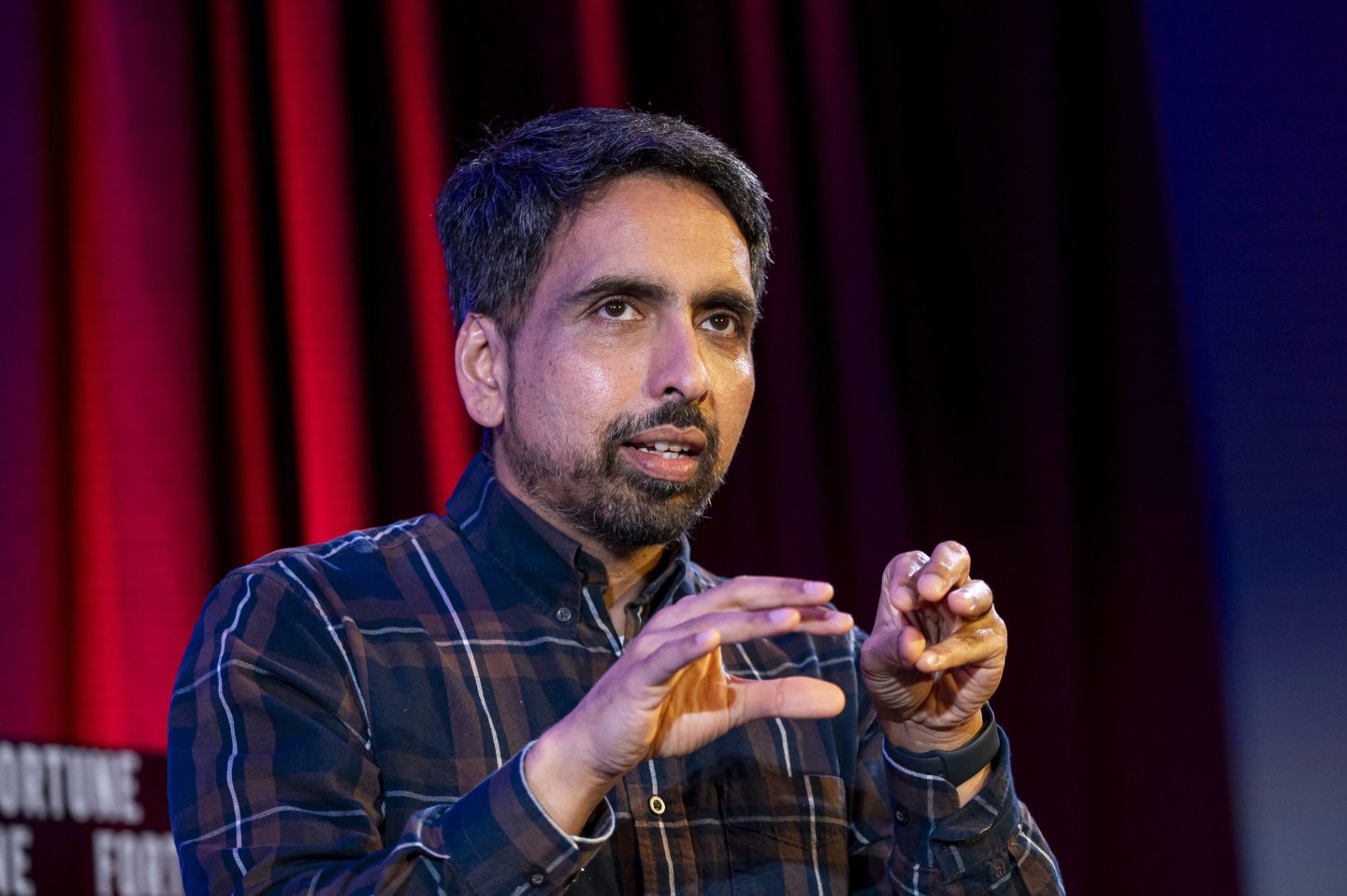
Sal Khan, the founder of Khan Academy, just gave that feeling a name. And a number.
He put it plainly. If white-collar work shrinks by just 10 percent because of AI, it’s going to feel like a depression. Not a recession. A depression. That stops you in your tracks, doesn't it? Ten percent doesn't sound like an apocalypse. It sounds manageable. But think about what it really means. It means one in ten of your colleagues. One in ten of your friends in similar industries. One in ten people who thought they had a stable career path, suddenly looking for a new one.
The Scale We Don't Realize
Khan believes we’re not grasping the sheer scale of what’s happening. He’s convinced AI will displace workers at a level many people just don't realize yet. It’s easy to dismiss these warnings as hype. But Khan isn't some lone voice shouting into the void. The "godfather of AI" himself has warned that mass unemployment is on its way. This isn't a fringe opinion. It's a serious conversation happening among the people building the future.
The ground beneath the modern workplace is shifting. For decades, the deal was simple. Go to school, get a degree, learn a skill, and you'd have a decent shot at a stable career. AI is challenging that entire premise. The skills that were once a safe bet are now the very ones that AI is getting remarkably good at.
But It's Not Just About Replacement
Here’s where the story gets more interesting. This isn’t just a simple doom-and-gloom prophecy. Khan doesn't believe AI is here to just fire everyone. His view is more nuanced. He uses teachers as the perfect example.
He doesn't think AI will replace teachers. Not at all. Instead, he sees a future where AI acts like a dedicated team of graduate students for every single teacher. Imagine an AI assistant that can help craft the perfect lesson plan for each student's needs. An AI that can handle grading and administrative tasks, freeing up the teacher to do what they do best, teach and inspire. It’s a powerful shift in thinking. The goal isn't replacement. It's augmentation. It’s about giving people superpowers.
A Path Through the Storm
So how do we get more of the "superpowers" and less of the "depression"? We can't just cross our fingers and hope for the best. An economic shift this massive requires a plan. It requires foresight. And it requires a sense of shared responsibility.
One of the most powerful ideas gaining traction is a kind of A.I. tithe. It’s a simple concept. The companies that are set to make unbelievable profits from this technology should contribute a small piece of that windfall back into society. We're not talking about a massive tax. Maybe just one percent of their profits.
That money wouldn’t be a handout. It would be a strategic investment in our collective future. It would fund massive retraining programs. It would help people whose jobs are being transformed to find new footing and learn new skills. It’s a way to ensure that the benefits of AI are shared broadly, instead of just enriching a select few while leaving everyone else behind.
The conversation about AI needs to evolve. It’s not about "if" it will change things. It's about "how" we will manage that change. Sal Khan’s warning is a wake-up call. A 10 percent job reduction isn't a blip on the radar. It's a seismic event. But it doesn't have to be a catastrophe. The future isn't written yet. We can build a world where technology serves all of humanity, but it won’t happen by accident. It will happen by having these tough conversations now, and by deciding what we owe each other in a world that's changing faster than ever.